
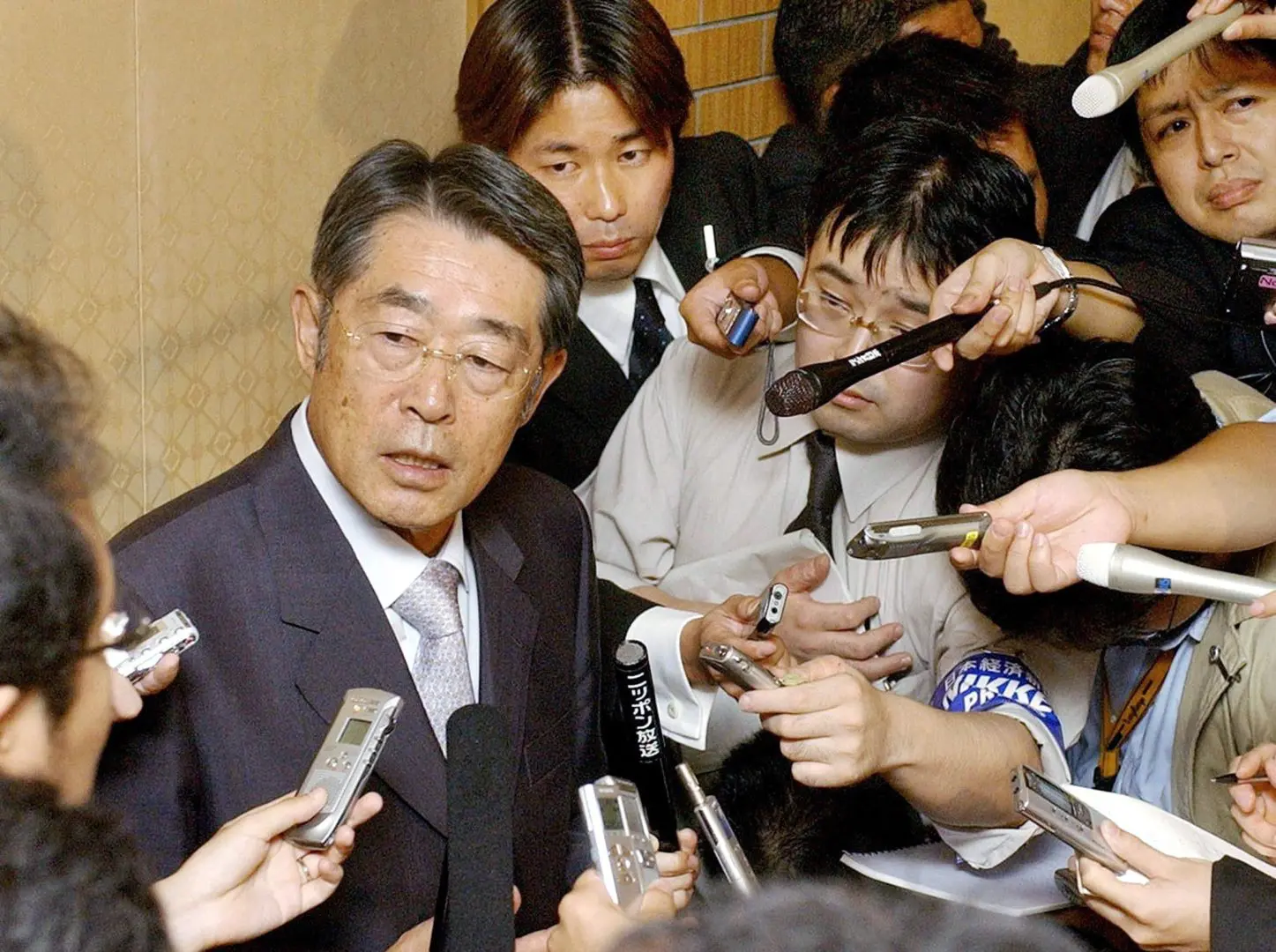
In the late 1980s, Yoshiaki Tsutsumi reigned as the wealthiest individual not only in Japan but globally, amassing a fortune of nearly $20 billion—equivalent to about $55 billion today when adjusted for inflation. His vast empire, the Seibu Group, encompassed railways, hotels, and a significant portion of Japanese real estate. However, this astonishing success crumbled dramatically after his arrest for financial fraud in 2005, leading to his complete removal from the billionaire landscape. This article explores the rise and fall of Tsutsumi and the Seibu Kingdom.
The Seibu Kingdom
Yoshiaki Tsutsumi’s Seibu Group represented an extraordinary business empire. At its zenith, it boasted a private railway network, a professional baseball team, over 80 hotels, and 52 golf courses, alongside numerous ski resorts both domestically and internationally. The conglomerate consisted of approximately 70 companies and employed over 35,000 individuals.
In some Japanese towns, Seibu was not just the largest employer; it constituted the entire economy. For instance, in a particular municipality, a quarter of all workers were affiliated with Seibu. Local governments often hesitated to challenge the group, fully aware of their communities’ dependence on it.
Seibu’s influence extended beyond business. Reports indicated that company employees were driven to voting stations to support candidates favored by the corporation, creating a blurred line between corporate interests and civic engagement. Tsutsumi became synonymous with unchecked power, wielding significant influence over regional economic landscapes.
Inheriting Power and Expanding It
Taking control of the Seibu Group in 1964 at just 30 years old, Yoshiaki inherited the enterprise from his father, Yasujiro Tsutsumi. Yasujiro, who came from humble beginnings, laid the groundwork for the empire through aggressive land acquisitions and strong family loyalty.
Following Yasujiro’s passing, a fierce succession battle ensued, with many anticipating that Yoshiaki’s older half-brother, Seiji, would claim the family legacy. Instead, the empire was divided, with Yoshiaki gaining control of the railways and real estate, while Seiji took over the department stores, which he transformed into a significant financial entity. This family rivalry became a focal point for Japanese media.
Leveraging deep political connections forged through his father’s associations with Japan’s dominant Liberal Democratic Party, Yoshiaki propelled Seibu into a prominent success story in post-war Japan, riding the wave of rising land costs and domestic tourism.
The Bubble Years and Peak Wealth
The late 1980s marked the pinnacle of Tsutsumi’s influence. As Japan’s asset bubble inflated land and stock prices to astonishing highs, Tsutsumi’s extensive real estate holdings propelled him to the forefront of the global wealth rankings, where he remained from 1987 to 1990, surpassing even the most prominent Western industrialists.
Control, Secrecy, and Fear
Despite his immense wealth, Tsutsumi maintained a reclusive and secretive lifestyle. Renowned for his workaholic tendencies, he presided over Seibu with an iron fist. Power was centralized around him and a select group of trusted advisors, many of whom had been with him since university.
He covertly acquired shares in various companies to prevent hostile takeovers, consolidating power through a private holding company, Kokudo, which he led. An atmosphere of fear permeated Seibu, with tales emerging that employees often fell ill before surprise visits from Tsutsumi due to dread of disappointing him.
The Bubble Bursts
As Japan’s economy began to slow in the early 1990s, cracks appeared in the Seibu Kingdom’s foundation. Land prices plummeted, often down to 20-40% of their peak values. Given that Tsutsumi’s empire heavily relied on debt, the downturn proved devastating.
Seibu’s resorts faced declining bookings, and debt obligations escalated. What once was a tremendous asset became a liability, yet rather than reform, Tsutsumi tightened his grip, instructing subordinates to hide losses and misrepresent ownership structures.
Arrest, Scandal, and Human Cost
When Tsutsumi was arrested at one of his luxury hotels in 2005, his wealth had diminished significantly, dropping him to approximately the 159th richest individual globally. Investigations revealed that he controlled around 80% of Seibu’s stock, which violated Tokyo Stock Exchange regulations.
The subsequent scandal had profound human repercussions, highlighted by the tragic suicide of Terumasa Koyanagi, the former president of Seibu Railway, after admitting he had been compelled to falsify financial documents at Tsutsumi’s behest.
Conviction and Aftermath
In court, Tsutsumi pleaded guilty to breaches of Japan’s securities laws. On October 27, 2005, he was handed a 30-month prison sentence, suspended for four years, alongside a fine of five million yen. Prosecutors dismissed his claims of ignorance, arguing that his close-knit circle of loyalists made such a plea implausible.
His suspended sentence expired in 2009. Though Seibu continued operating as a publicly traded company, it remained a fraction of its former self. Tsutsumi, the once formidable tycoon who controlled a significant portion of Japan’s economy, vanished from the billionaire rankings and public life.
His saga endures as a cautionary tale of financial misfortune, illustrating how absolute control, secrecy, and substantial leverage can transform remarkable achievements into irreversible catastrophe.

John is a seasoned journalist at The Bothside News, specializing in balanced reporting across news, sports, business, and lifestyle. He believes in presenting multiple perspectives to help readers form informed opinions. His work embodies the publication’s philosophy that truth emerges from examining all sides of every story.


