
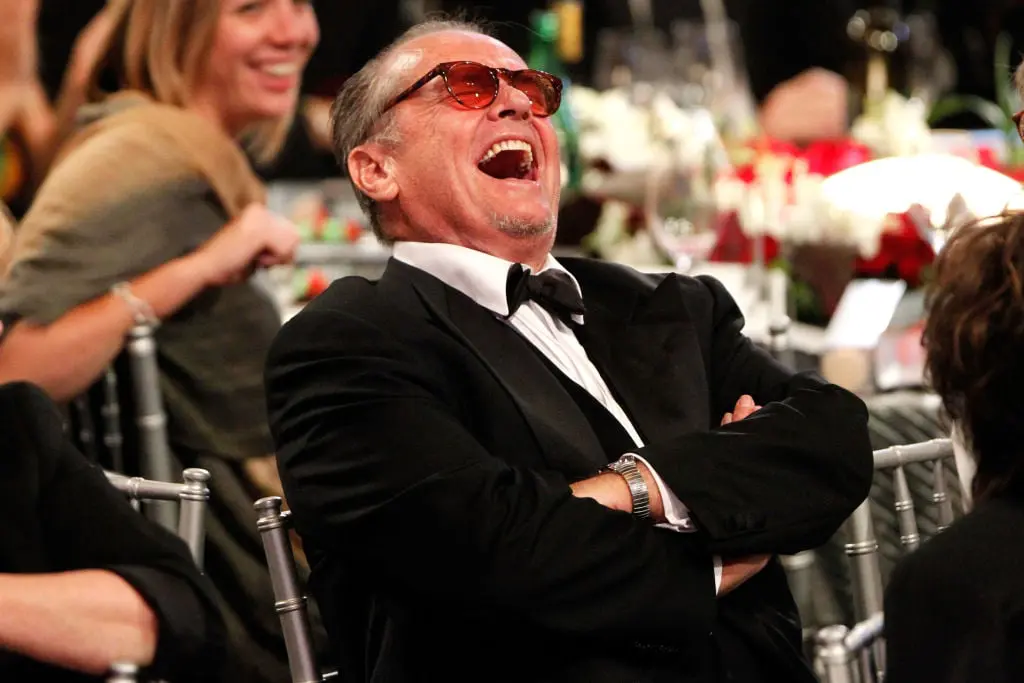
Since its resurgence in the late 1980s, the “Batman” franchise has become a dependable powerhouse at the box office, amassing over $5 billion worldwide. Yet, this success starkly contrasts with the character’s prior obscurity, largely forgotten since the campy 1960s television series. The pivotal film that revived Batman, 1989’s “Batman,” was marked by unconventional casting and a groundbreaking deal by Jack Nicholson that changed the landscape of Hollywood compensation forever.
Reviving a Franchise: The Unconventional Choices
Before the release of “Batman,” interest in the character had waned significantly, leaving the franchise in a precarious position. Warner Bros. made bold choices when developing this film, opting for Tim Burton—then an emerging director known for quirky comedies like “Pee-wee’s Big Adventure” and “Beetlejuice”—instead of blockbuster veterans like Steven Spielberg. For the lead role, the studio cast Michael Keaton, a comedic actor with little physical resemblance to the traditional image of Batman. This decision perplexed many industry insiders who questioned whether the film could succeed.
However, the involvement of Jack Nicholson brought much-needed credibility to the project. As one of Hollywood’s biggest stars, he possessed both a prestigious reputation and the box office appeal necessary to attract audiences.
Nicholson’s Game-Changing Contract
At the height of his career, Nicholson had already claimed two Academy Awards and was known for his innovative contract negotiations. In the years leading to “Batman,” his fees had escalated remarkably—from $500,000 for “Chinatown” to a staggering $4-5 million per role. Warner Bros. initially offered Nicholson a $10 million salary to play the Joker, but he recognized an opportunity to secure an even more advantageous deal. Instead of a flat rate, he lowered his salary to $6 million, receiving a share of the film’s profits and merchandise revenue instead.
This unprecedented structure not only linked his earnings to the movie’s success but also set the stage for how stars would negotiate in the future. When “Batman” debuted in theaters, it wasn’t just a film; it was a cultural phenomenon, drawing in huge audiences and generating approximately $411 million globally, along with a lucrative merchandising spree. Nicholson’s deal reportedly earned him over $40 million in a few years, and by the mid-1990s, he took home up to an estimated $60 million.
A Lasting Impact on Hollywood
Jack Nicholson’s compensation for “Batman” quickly became legendary. No other actor had achieved such remarkable earnings from a single movie, setting a new benchmark for backend participation deals. His approach inspired numerous Hollywood stars to follow suit, including high-profile actors like Tom Cruise and Robert Downey Jr., who sought similar structures in their contracts.
While Nicholson’s deal stood unchallenged for years, it eventually faced competition from stars like Bruce Willis and Arnold Schwarzenegger, who negotiated even larger paydays for their respective movies. However, Nicholson’s Joker contract remains pivotal; it reshaped how actors interact with studios, empowering them to stake a claim in a film’s overall success rather than simply accepting a salary.

John is a seasoned journalist at The Bothside News, specializing in balanced reporting across news, sports, business, and lifestyle. He believes in presenting multiple perspectives to help readers form informed opinions. His work embodies the publication’s philosophy that truth emerges from examining all sides of every story.


