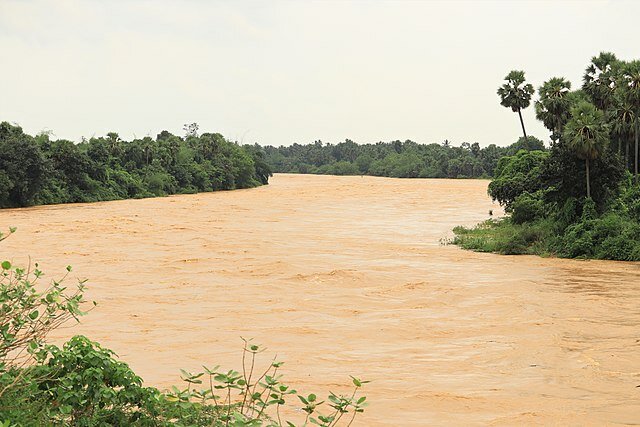
According to scientists, climate warming probably made the rains that caused devastating flooding in Bangladesh worse.
Scientists predict that as global temperatures continue to rise, South Asia’s monsoon rains will become more irregular and torrential even though they now follow natural meteorological patterns.
Determining the precise contribution of climate change to last week’s massive rains will take months.
However, according to scientists, warmer air can contain more water vapour before rain clouds inevitably rupture, which means more rain will fall.
According to Roxy Mathew Koll, a climate scientist at the Indian Institute of Tropical Meteorology, “the strong monsoon winds in the Bay of Bengal can bring a lot more moisture.” “The current heavy rainfall may have a bearing on climate change,”
The El Nino-La Nina weather cycle and the Indian Ocean Dipole are two of the several, overlapping patterns in the ocean and atmosphere that control the South Asia monsoon season, which lasts from June to September. Over the Bay of Bengal, those systems are presently producing strong southwesterly winds.
However, the monsoon patterns have changed recently since Bangladesh’s average temperature has increased by at least 0.5 degrees Celsius since 1976.
According to Koll, “we have long dry periods intermittently with short bursts of strong rains” rather than moderate rains evenly distributed throughout the monsoon season. When it rains, all that moisture is released within a few hours to a few days.
Bangladeshi soldiers sailing small boats through muddy floodwaters in an effort to rescue those in need or provide food and water to some of the 9.5 million marooned people. At least 69 individuals are said to have died as a result of the accident, according to authorities.
Floods are a constant threat to millions of people in Bangladesh’s low-lying areas, but researchers warn climate change is increasing the frequency, severity, and unpredictability of these natural disasters.