BMC receives a plan of action to enhance air quality
According to experts, the Metro project, road construction, building construction, industrial operations, and small activities like vehicle emissions, bakeries, and crematoriums are the main contributors to the current situation in the city. Between Colaba and Mulund-Dahisar are the 20 areas used to measure air quality. Some of them are a part of SAFAR (a combined organisation of IITM-Pune and IMD), which has nine stations, and MPCB (which has 11 monitoring stations). Twenty of them have access to the CPCB website. These 20 places offer statistics on Mumbai's air pollution in real time.
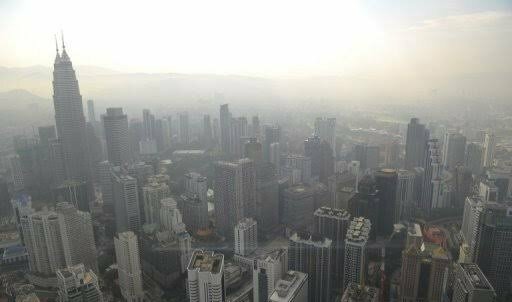
On Wednesday, the city's average air quality index (AQI) was 271 for the fourth day in a row, which is considered "bad." This grade is assigned to an AQI between 200 and 300, whereas an AQI over 300 is classified as "extremely poor." All 24 administrative wards have now been ordered by the Brihanmumbai Municipal Corporation (BMC), which appointed Airavat Enviro Engineers and Consultants, to take immediate corrective action in response to the rise in AQI levels.
The expert body has requested that BMC clean up road debris and spritz water. It's also important to identify air pollution hotspots and micro hotspots, like the BKC junction or potholed roads.
However, security guards in housing societies are known to burn wood during the winter, according to the head of Airawat Enviro Engineers and Consultants, who did not want to be identified. "We have suggested a ban on open garbage burning, but
"Dust is released at construction sites as a result of moving trucks. Mahul and Chembur's industrial sectors contribute to air pollution, which will be observed. Our action strategy includes these modest initiatives, he stated. "Coal and wood are necessary in bakeries and hotels to improve the flavour of the food offered. We have requested that these business hubs adopt to cleaner fuels like PNG or electric ovens or construct an air pollution system from the fire and health departments of BMC.
The experts referred to four wards that showed an increase in AQI readings, considerably above 200, during a special meeting they held earlier this month with the local body. A Ward in Colaba-Churchgate, M East Ward in Mankhurd, P North Ward in Malad, and R (Central) Ward in Borivali are the four areas.
The head of Airawat Enviro Engineers and Consultants explained the cause of the current situation by stating that "AQI level's growth can be attributable to local variables such as burning green waste or building sites present near monitoring stations." He was eager to point out that although air pollution played a role, the current jump in the index was mostly caused by weather-related factors.
Given the lack of air movement and turbulence in the winter, a municipal representative from BMC's environment department reasoned, particulate matter (PM) is fixed at a specific area.
"The air quality has been influenced by the daily addition of PM. This issue has been present in North India for some time, but due to a climatic phenomenon—which air pollution is also a part of—Mumbai has recently joined the fray. In a meeting last week, the additional municipal commissioner for the environment was informed of the current advisory, he continued. Kiran Dighavkar, assistant commissioner, P North ward (Malad), responded that he had not yet received any notification regarding the issue when HT contacted him.
According to experts, the Metro project, road construction, building construction, industrial operations, and small activities like vehicle emissions, bakeries, and crematoriums are the main contributors to the current situation in the city.
Between Colaba and Mulund-Dahisar are the 20 areas used to measure air quality. Some of them are a part of SAFAR (a combined organisation of IITM-Pune and IMD), which has nine stations, and MPCB (which has 11 monitoring stations). Twenty of them have access to the CPCB website. These 20 places offer statistics on Mumbai's air pollution in real time.
What's Your Reaction?