
Microplastics: What They Are, Where You Find Them, And The Negative Effect Of Microplastics


What are Microplastics? What are its types?
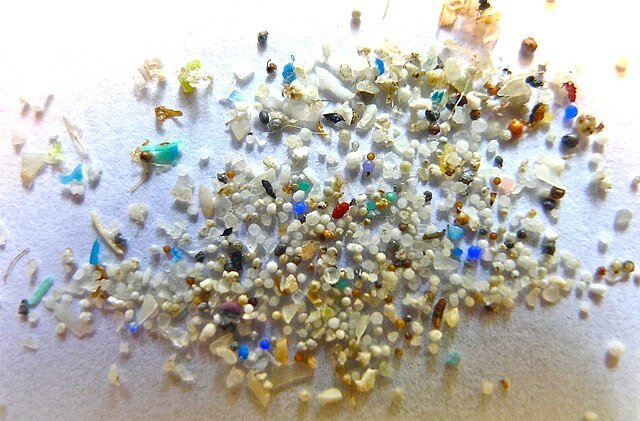
Microplastics are minute pieces of plastic, characterised as having a diameter of less than five millimetres (0.2 inches). There are two types of microplastics: primary and secondary.
Primary microplastics are small commercially produce particles. It includes particles found in cosmetics, and fibres shed from garments and other materials, like fishing nets. Secondary microplastics produce when bigger plastic objects, such as water bottles, break down. The sun’s rays and ocean waves are the key environmental variables that contribute to this disintegration.
Where can you find microplastics?
They are found in a variety of different places. These include shopping bags, plastic bottles, strips of fabric, and even clothing. Most of the plastic comes in tiny fragments. Additionally, microbeads, a subset of microplastic, are little bits of synthetic polyethylene plastic. The health and beauty industry add these particles as exfoliants into their products such as toothpaste and cleansers . These tiny particles easily get past water filtration systems and end up in sea and ocean, potentially harming aquatic life.
What are Nanoplastics?
Nanoplastics are materials with a size of less than 1000 nm or 100 nm. Researchers are primarily concerned about the tiniest particles, known as nanoplastics, which are smaller than 1 micrometre. They could possibly penetrate cells and disturb cellular activity. These particles are not even visible to the scientists because of their tiny nature.
Effects of Microplastics:
Like plastic goods of any size, the issue with microplastic is that they do not easily decompose into harmless components. Plastics can take a very long time to break down, which is bad for the environment. Although littering contributes to some of this environmental contamination, a large portion is caused by storms, water runoff, and winds that transport plastic into our oceans. The main source of secondary plastics in the environment is single-use plastics.
It is still unknown to scientist to what extend these particle can possess a threat to our health and lives. Nevertheless, numerous nations are making efforts to lower the amount of microplastics in the environment.

Summary of the Potential Microbe–Microplastic Interactions That Occur at the Polymer Surface, and Biofilm-formation Processes for Microplastic Present in Seawater in Comparison to Those That Occur on Natural Particles such as Zooplankton (e.g., Copepods) and Phytoplankton.
Jake Bowley, Craig Baker-Austin, Adam Porter, Rachel Hartnell and Ceri Lewis




One Comment