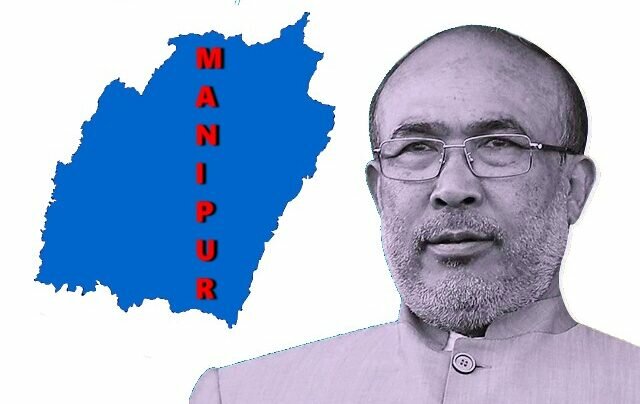
A similar system to screen out alleged illegal immigrants from Bangladesh, Myanmar, and Nepal is being called for in neighboring Manipur as Assam continues to struggle to address alleged flaws in the National Register of Citizens (NRC).
19 tribal organizations filed a memo to Prime Minister Narendra Modi earlier this week asking for the implementation of the NRC to screen out foreigners, place them in detention facilities, and deport them, according to The Economic Times.
They demanded that the Center “establish centers for detection and deportation of foreigners” promptly, describing illegal immigration as a “huge threat” to Manipur’s native population.
The problem of the influx of illegal immigrants into the state was brought up by the United Naga Council (UNC) and the Co-ordinating Committee on Manipur Integrity (COCOMI) together last month. To chief minister N Biren Singh, they delivered a memo.
Even though the Central government expanded the Inner Line Permit system—a Colonial-era tool to restrict the entry and movement of “outsiders”—to Manipur in December 2019, local organizations claim it has failed to address the issue of migration. They have pleaded with the state administration to improve it.
The absence of a precise definition of the indigenous population, according to these organizations, makes it difficult to address the issue of inflow.
However, some analysts assert that attempts to adopt the NRC with 1951 as the base year may run into difficulty because some tribal (hills) and Meitei (valley) communities included individuals who had relocated to the state after the cut-off year.
Additionally, there is a tendency for many tribes to move when they participate in shifting cultivation in hilly areas. It could be challenging to locate them precisely and develop land records as a result.
Following a similar request from seven student organisations in the State, including the All Manipur Students’ Union, the All Naga Students’ Association of Manipur, and the Manipuri Students’ Federation, the tribal organisations issued a memorandum.
The student bodies urged the creation of a State Population Commission to “monitor and balance the population expansion” in addition to the NRC, which uses 1951 as the foundation year for recognising domicile. The “ever-increasing population” of outsiders, they claimed, was “swamping and marginalising” the indigenous people within their own State.