The Wangala - 100 Drums Festival of Meghalaya; its History and Significance
The "Garo Tribes" of Meghalaya celebrate the harvest festival known as Wangala Festival, sometimes referred to as the "festival of 100 drums."

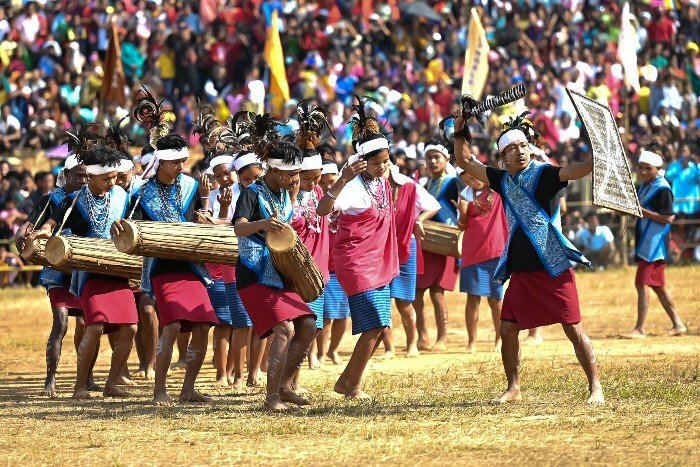
The "Garo Tribes" of Meghalaya celebrate the harvest festival known as Wangala Festival, sometimes referred to as the "festival of 100 drums." People give a variety of offerings to the deity Sanljong, also known as the Sun God, during this festival. Although the Wangala Festival is typically observed for two days, it occasionally lasts up to a week. The Sun God is served local rice beer during the festivities, and people dress in vibrant traditional garb and dance to the rhythm of 100 drums.
Twitter Sangma
This dance is characterised by a queue of two parallel lines, one made up of men and the other of ladies dressed in festive clothes. The men are beating the drums as the line advances in time with them.It is noteworthy that the "orchestra" of men included flutes, a buffalo horn flute, a gong, and other instruments.
The festival's history
For the Garo Tribe of Meghalaya, the Wangala Festival celebrates the winter harvest. People honour "Misi Sanljong" or "Pattigipa Ra'rongipa" or the Sun God during this event!
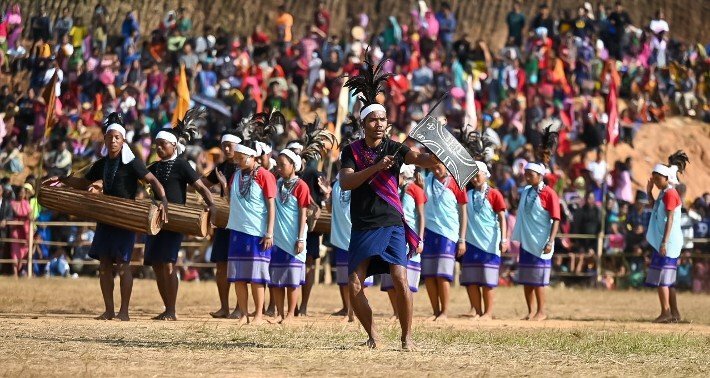
According to popular belief, water creatures first performed the dancing style that is seen during the Wangala festival. Humans were invited to the festival even though they had no knowledge of the dance style. This particular dance is thought to have been taught to humans by crabs. As a result, the dance moves appear to be developed from carb movements.
The inaugural Wangala dance show was presented on December 6 and 7, 1976, at Asanang, a town that is located about 18 kilometres from Tura. The festival of 100 drums has been held annually since that time.
Wangala Festival's significance
The Wangala Festival celebrations honour the Sun God and signal the end of the protracted harvest season. It also denotes the beginning of winter. The festival of 100 drums serves as a means of maintaining and promoting the cultural identity of the Garo tribe in Meghalaya. During the Wangala Festival, they also present their culture and traditions to the outside world.
The Wangala Festival essentially serves as a means of preserving and promoting the cultural identity of the Garos in Meghalaya. This is one method of displaying the local culture and customs.
What's Your Reaction?