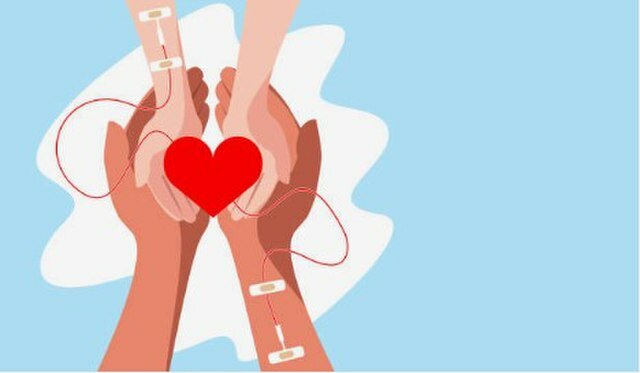
The Benefits of Donating Blood
Many people may not know the benefits of donating blood. Donating blood is a very important and selfless act. When you donate blood, you are helping to save the lives of others. But did you know that there are also many benefits to donating blood? For example, donating blood can help to lower your risk of heart disease and cancer. It can also help you to lose weight and improve your overall health. So next time you are considering donating blood, remember that you are not only helping to save lives, but also improving your own health in the process.
Free health checkup, Does donating blood lower your risk of heart disease?
When it comes to donating blood, there are a lot of benefits that come along with it. For one, you get a free health checkup. This checkup can help you catch any potential health problems early on before they become serious. Additionally, donating blood has been shown to lower your risk of heart disease. So not only are you helping others by giving them the gift of life, but you’re also helping yourself in the process.
Side effects of donating blood
Donating blood is a great way to help others in need, but it can also come with some side effects. Some of the most common side effects include:
– fatigue
– dizziness
– lightheadedness
– fainting
– nausea
These side effects are usually mild and go away quickly. However, if you experience any of these symptoms after donating blood, be sure to rest and drink plenty of fluids. You should also contact your doctor if your symptoms persist or are severe.
What to know before you donate
Donating blood is a simple and easy way to help save lives. It only takes a few minutes, and it’s a great way to give back to your community. But before you donate, there are a few things you should know.
First, it’s important to make sure you are healthy and feeling well on the day of your donation. If you have a cold or flu, it’s best to wait until you’re feeling better before donating. You should also avoid donating if you’ve recently had a tattoo or piercing, as there is a risk of infection.
Second, it’s important to eat and drink before you donate. This will help to ensure that you don’t feel dizzy or lightheaded during or after your donation.
Finally, be sure to bring ID with you when you donate. You will need to show identification in order to confirm your identity and age. Most donors are between the ages of 18 and 44, but anyone over the age of 17 can donate with parental consent.
Donating blood is a safe and easy way to help save lives. By following these simple tips, you can ensure that your donation goes