UAE rover and a lander from a Japanese corporation are headed for the moon
But instead of a smooth landing, the Beresheet spacecraft slammed into the moon and was destroyed. Only Russia, the United States, and China have successfully completed so-called "soft landings" on the moon since the former Soviet Union's Luna 9 in 1966. The United States is the only nation to have sent astronauts to the moon, doing so with 12 men during six landings.
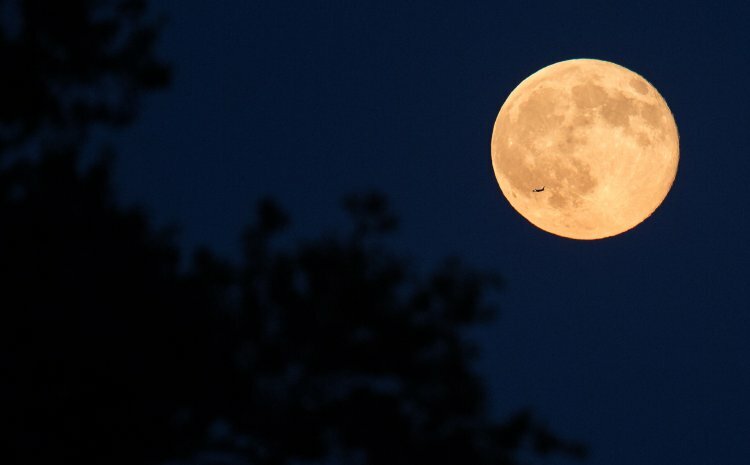
On Sunday, a Tokyo-based company launched two spacecraft: the first lunar rover from the United Arab Emirates and a Japanese robot that resembles a toy and is intended to roll around in space in the grey dust. It will take around five months for the lander to go to the moon and conduct all of its associated experiments. The firm ispace designed their boat to use less fuel for budgetary reasons and to increase capacity for freight. As a result, it is currently 1.6 million kilometres (million miles) from Earth when it will circle around and strike the moon at the end of April.
NASA's Orion crew capsule and test dummies arrived at the moon last month in five days, in comparison. The lunar flyby mission comes to a close on Sunday with the splashdown in the Pacific.
The iSpace lander will be aiming for the Atlas crater, which is situated in the northeastern portion of the moon's near side and is more than 50 miles (87 kilometres) wide and only one mile (2 kilometres) deep. When all four of the lander's legs are extended, it stands taller than 7 feet (2.3 metres).
In addition to Mars, where a science satellite is already in orbit, the UAE intends to explore the moon. The rover, named Rashid after the royal family of Dubai, weighs only 22 pounds (10 kilogrammes) and will operate on the surface for around 10 days, just like everything else on the project.
The lander also carries a Japanese Space Agency orange-sized spherical that will transform into a wheeled robot on the moon. Additionally, a flight computer with artificial intelligence from an Ottawa, Ontario company, a solid state battery from a Japanese spark plug manufacturer, and 360-degree cameras from a business in the Toronto region are all in flight.
A small NASA laser experiment that was carried by the rocket is currently making its own way independently to the moon to search for ice in the craters around the lunar south pole that are always in shadow.
The mission is known as Hakuto, which is Japanese for "white rabbit." In Asian myth, a white rabbit is said to live on the moon. A second lunar landing will take place in 2024, followed by a third in 2025, according to the private company. In the Google Lunar XPRIZE competition, which required a successful lunar landing by 2018, Ispace, which was founded in 2010, finished in the top three. Ispace never managed to launch its lunar rover.
A separate candidate, an Israeli nonprofit organisation by the name of SpaceIL, made a moon landing in 2019. But instead of a smooth landing, the Beresheet spacecraft slammed into the moon and was destroyed.
Only Russia, the United States, and China have successfully completed so-called "soft landings" on the moon since the former Soviet Union's Luna 9 in 1966. The United States is the only nation to have sent astronauts to the moon, doing so with 12 men during six landings.
What's Your Reaction?