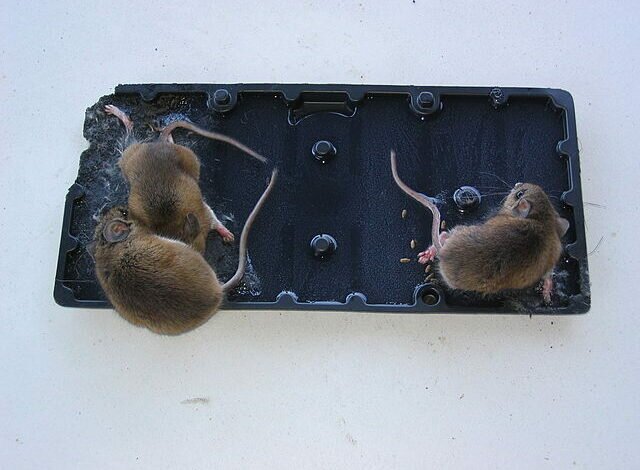
The production, sale, and usage of glue traps for rodent control as well as gestation and farrowing cages in pig farming have been outlawed in Meghalaya following the lead of Sikkim, according to officials on Monday. Officials claimed that People for the Ethical Treatment of Animals (PETA) India’s appeal led to the Meghalaya government’s decision.
The PETA India had earlier urged the Meghalaya government to prohibit the manufacture, sale, and use of gestation and farrowing crates in pig farming, as well as deadly glue traps used for rodent control.
The Meghalaya government has previously been petitioned by PETA India to outlaw the production, distribution, and use of gestation and farrowing cages in pig farming as well as lethal glue traps for rodent control. The advocacy group commends the Meghalayan government for these “positive regulations, which could spare many rodents and other creatures horribly slow, agonising lives and countless mother pigs horrible confinement.”
Gestation crates, sometimes known as “sow stalls,” are metal cages that are roughly the size of a pig, with concrete or slatted floors, which prevent the animals from turning around or even standing up easily.
They are utilised to house pregnant pigs, who are normally moved to farrowing crates to give birth and are kept there until their piglets are removed.
Except for the fact that they have tiny side chambers for piglets, farrowing crates are substantially similar to gestation crates.
As indiscriminate killers, glue traps frequently capture non-target creatures such birds, squirrels, reptiles, and frogs. They are typically built of plastic trays or sheets of cardboard coated with powerful glue.
After days of extended suffering, mice, rats, and other creatures captured in these traps may die from exposure, hunger, or dehydration. Some even attempt to escape by chewing through their limbs, but this results in blood loss and death. Other animals may drown when their noses and mouths get stuck in the glue.
According to Section 11 of The Prevention of Cruelty to Animals Act, 1960, the usage of glue traps is a crime that is criminal, PETA India underlined in its plea. They are indiscriminate killers that frequently catch non-target creatures like birds, squirrels, reptiles, and frogs. They are typically composed of plastic trays or sheets of cardboard covered in powerful glue. The Wild Life (Protection) Act of 1972 prohibits the “hunting” of indigenous species that are protected, and this appears to be a breach of that law.