
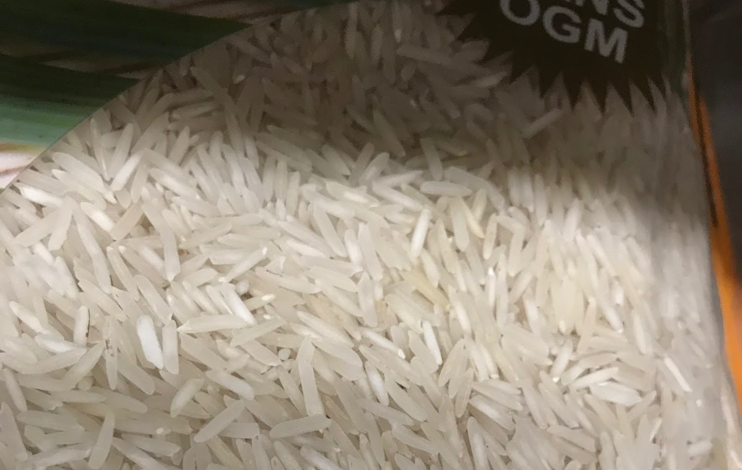
Given the severe flooding in nations like Thailand and Vietnam, which have been key exporters of this basic grain, demand for Indian rice is anticipated to rise. Crops in the two Southeast Asian nations have suffered catastrophic damage as a result of the heavy floods along the Mekong River area. Given the unusually severe erosion of the paddy fields and the sharp spike in global food prices brought on by the Russia-Ukraine war, worries regarding food security have been raised.
Analysts claimed that even if the sowing of grain in India is predicted to be 17% lower this year due to insufficient rains in regions like Bihar and Orissa, there is no cause for concern as the nation is sitting on substantial reserves from last year.
About 40% of the world’s rice supply comes from India. “India’s rice exports will gain and increase to about $10–12 billion while key competitors like Thailand and Vietnam experience yield loss and cost increases. According to Sachchidanand Shukla, chief economist at Mahindra Group, “#India likey to #export 22 out of the 53 MT #rice requested globally with a market share of 40% in 2022.”
Southeast Asia is not the only region that experiences flooding issues. Even Bangladesh and sections of India, particularly the north-east, have experienced devastated flooding. There are states, however, that have seen less rainfall.
Farmers face a serious problem as a result of climate change since extreme weather patterns raise the risk of crop destruction from drought or flooding as well as the variability of output levels.


